
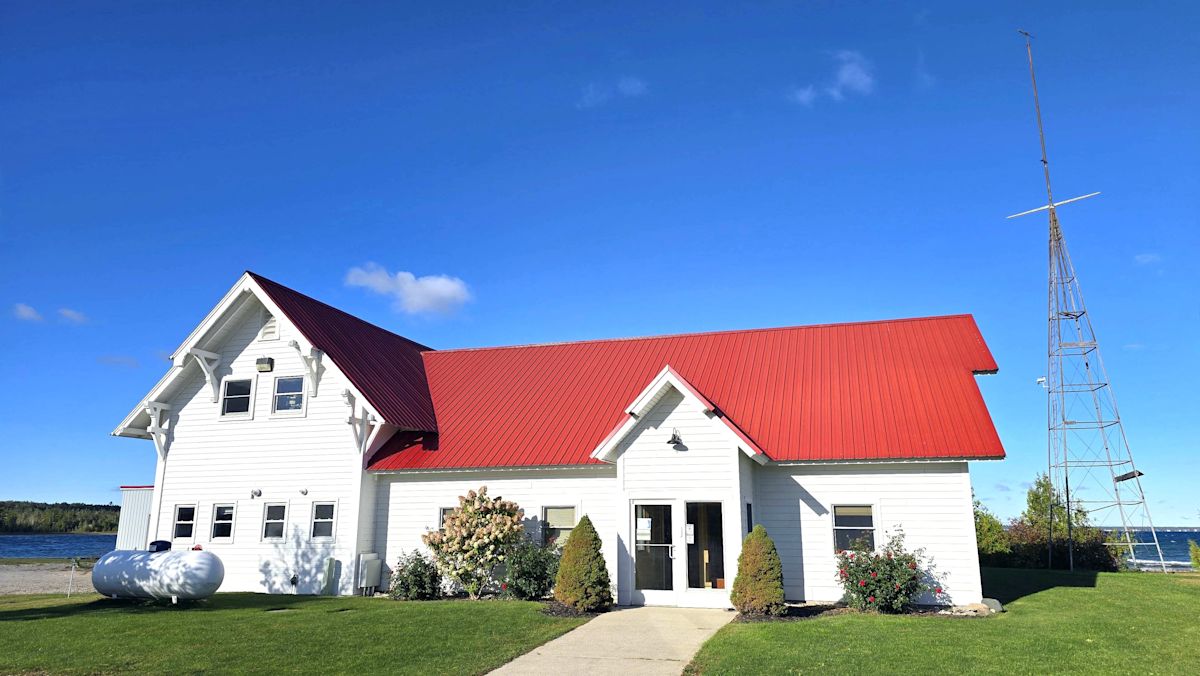
A landmark institution on the shores of Lake Huron is preparing to commemorate a century and a half of dedicated regional service. The Hammond Bay Biological Station will officially mark its 150th anniversary on September 30, celebrating a rich institutional journey that stretches from nineteenth-century maritime rescue operations to modern fisheries research.
According to a community announcement, the upcoming sesquicentennial celebration will highlight the facility's enduring presence in northeastern Michigan. Organizers have structured the milestone event around two key public components: daytime guided tours of the operational station in Millersburg, followed by an evening historical and scientific presentation hosted in neighboring Rogers City.
The biological station, situated at 11188 Ray Road in Millersburg, represents one of the region's most enduring coastal installations. Over the past 150 years, the facility has evolved through distinct eras of public service, adapting its infrastructure and mission to meet the changing safety and ecological demands of the Great Lakes basin.
To offer community members a direct look inside the historic research campus, organizers have scheduled three separate public tour sessions on September 30. Guided walks through the property will depart at 1:00 p.m., 2:00 p.m., and 3:00 p.m., giving attendees an opportunity to observe the station's inner workings and specialized scientific facilities firsthand.
Because station accommodations are limited, organizers have noted that advance registration is mandatory for all tour participants. Members of the public wishing to secure a place during the afternoon tour slots can register by sending an email to msigmon@glfc.org or by telephoning 989-734-4768, extension 112.
Following the daytime site tours, the anniversary activities will move to Rogers City for an evening public presentation scheduled to begin at 6:00 p.m. Hosted at the Rogers Theater, located at 257 North 3rd Street, the evening forum will explore the facility’s long historical arc and illuminate its modern contributions to Great Lakes science.
The evening gathering will feature welcoming remarks from Great Lakes Fishery Commission Executive Secretary Marc Gaden, alongside Hammond Bay Biological Station communications associate Lauren Holbrook. Their opening addresses are set to establish the broader regional context of the station's collaborative research framework and its enduring ties to Great Lakes governance.
The presentation roster also includes remarks by Beach Hall, the former mayor of Rogers City, who will offer local perspective on the facility’s integration with surrounding coastal communities. Station supervisor Nick Johnson and science communication specialist Andrea Miehls will deliver presentations examining the historical milestones of the research station and outlining its current and prospective scientific endeavors.
The station’s origins date back to 1876, when it was initially established as an operational outpost of the U.S. Life-Saving Service. Positioned strategically along the northeastern shoreline of Michigan's Lower Peninsula, the post was tasked with protecting vessels and aiding mariners caught in the perilous, storm-prone waters of Lake Huron.
In 1915, the installation underwent its first major institutional transition when the Life-Saving Service merged to form the U.S. Coast Guard. Under Coast Guard administration, the station continued to serve as a vital maritime safety asset, maintaining coastal watch and emergency response readiness along critical shipping lanes.
The facility experienced its most defining transformation in 1950, when the property was repurposed as the Hammond Bay Biological Station. This transition marked a major pivot away from maritime rescue, directing the station's physical assets toward addressing pressing ecological and aquatic challenges confronting the Great Lakes.
Central to the station's scientific legacy has been its intensive research into the control of invasive sea lampreys. The destructive parasite severely disrupted native fish populations throughout the Great Lakes basin in the mid-twentieth century, making targeted research and suppression efforts essential for regional ecological recovery.
Through decades of specialized study, the biological station has contributed critical scientific insights and management tools that continue to bolster the restoration and long-term protection of Great Lakes fisheries. The methods developed and refined at the station remain fundamental to maintaining healthy sport and commercial fish populations.
Organizers emphasize that the September 30 anniversary is designed not only to honor 150 years of public service, but also to reaffirm the station’s deep connection to the Great Lakes and surrounding municipalities. By uniting former civic leaders, researchers, and local residents, the celebration aims to bridge the site’s historic lifesaving roots with its ongoing mission of freshwater stewardship.








(0)