
The Supreme Court has stepped in to block a Trump administration effort that sought to impose strict new delivery restrictions on mail-in ballots through the United States Postal Service. In a 7-2 decision, the justices rejected the federal government’s emergency request, averting what state officials warned could have caused widespread operational disorder in the fast-approaching midterm elections.
The high court’s brief and unsigned order effectively bars postal authorities from enforcing sudden regulatory requirements on election mail. The decision halts an administrative rule introduced just last month, preserving standard ballot distribution procedures across the country as voting preparations enter their final stages.
Under the disputed Postal Service rule, postal employees would have been directed to withhold the delivery of mail-in ballots unless those ballots were logged into new, untested registration systems. These tracking mechanisms were being rapidly developed by the agency on short notice, creating deep uncertainty about whether voters would receive their voting materials in time.
The practical consequences of the rule threatened a substantial portion of the American electorate. Approximately one out of every three voters cast a ballot by mail during the 2024 elections, and multiple states conduct their electoral contests entirely through mail distribution.
State and municipal election administrators had voiced serious concerns over the directive, warning that sudden regulatory shifts would trigger mass disenfranchisement. Officials emphasized that the abrupt changes would make it virtually impossible to conduct an orderly midterm election on such short notice.
Logistical complications formed a core part of the challenge brought by local authorities. Most jurisdictions had already commenced the printing of official ballots and return envelopes. Election departments stressed that they lacked both the operational time and the financial resources required to discard their preparations and reconfigure their entire balloting process.
Critics also contended that the administration's policy constituted an unprecedented federal encroachment into territory traditionally managed by the states. Subordinating key elements of state voting infrastructure to a federal agency represented a historic shift in how American elections are administered.
The Trump administration had argued that the measure was essential to increase visibility over Federal Ballot Mail and assist in detecting election fraud. However, election experts and state officials pointed out that there remains an absence of evidence supporting claims of widespread fraud within American mail voting systems.
In resolving the emergency petition, the Supreme Court delivered a concise, three-sentence order. The majority determined that the federal government was unlikely to succeed on the substantive legal merits of its challenge against a lower court’s preliminary injunction, adding that equitable factors did not support granting emergency intervention.
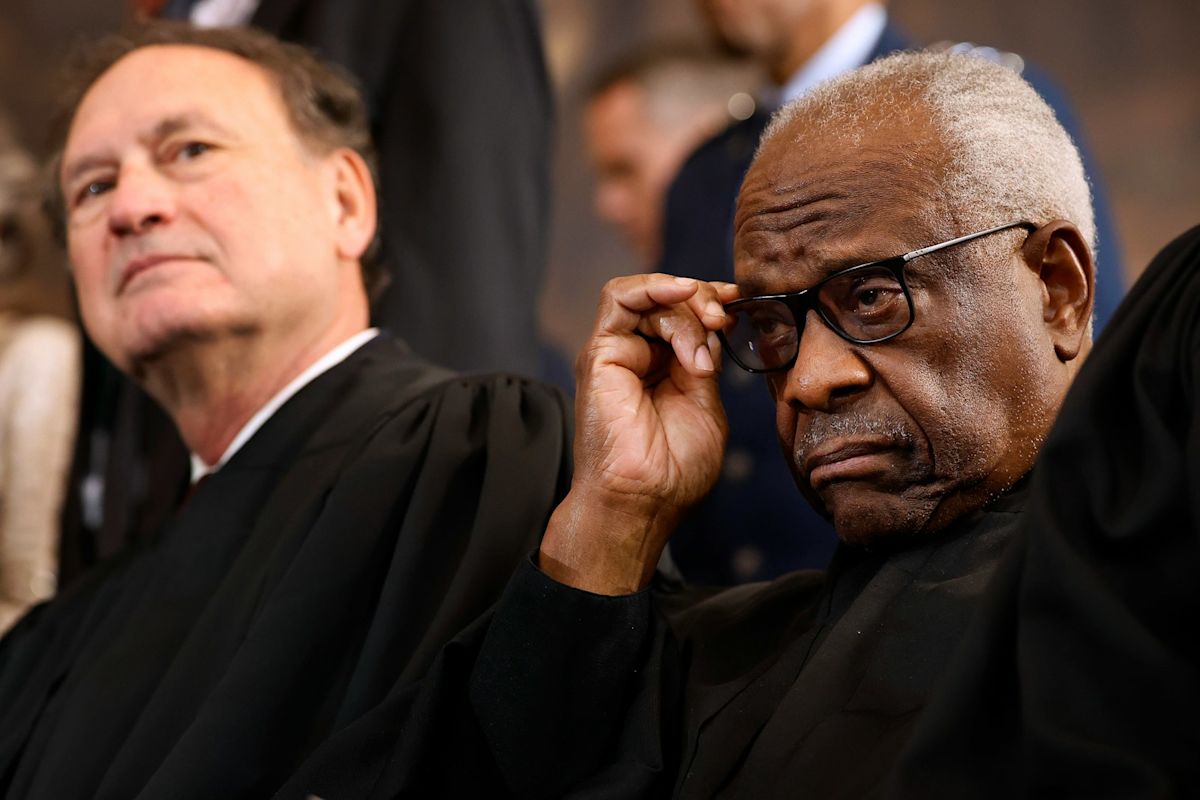
While seven justices agreed to halt the postal restrictions, the decision was not unanimous. Justices Clarence Thomas and Samuel Alito dissented, indicating their support for the administration’s emergency application to enforce the rule.
Justice Brett Kavanaugh issued a separate concurring opinion that offered an additional perspective on the dispute. In his concurrence, Kavanaugh signaled that he might remain open to the implementation of similar Postal Service rules in future election cycles when the timing does not immediately collide with imminent balloting deadlines.
The ruling marked a significant shift from the court's earlier posture on the issue. Just a month prior, the justices had issued a detailed, ten-page unsigned opinion dismissing an initial legal challenge against executive action on procedural and standing grounds, characterizing the internal actions of the executive branch as beyond immediate judicial review at that stage.
That earlier procedural skepticism stood in contrast to public declarations from President Donald Trump, who openly broadcast his intentions on social media to dismantle mail-in voting practices. Those public statements served as a central focal point for critics challenging the administration's regulatory motives.
When returning to the high court, state plaintiffs led by California tailored their arguments to resonate with the conservative majority’s legal precedents. They heavily cited the major-questions doctrine, a legal standard previously employed by the court's conservative members to invalidate broad administrative policies implemented by executive agencies.
State legal teams argued that federal law does not grant the Postal Service unilateral power to refuse the processing and delivery of election ballots. In their legal briefs, the states noted that while Congress has explicitly outlined specific categories of non-deliverable items, official voting materials were never included in that statutory framework.
By weighing the equitable harms of an abrupt postal overhaul against the government's regulatory objectives, the Supreme Court ultimately shielded state voting timelines from emergency intervention, ensuring standard mail-in ballot delivery remains intact for the midterm contests.







(0)