
Óscar García navigated his truck slowly toward the fortified entrance of his hometown, easing his vehicle to a halt before a barricade guarded by local paramilitaries. Peering through the dust, the 18-year-old recognized several of the masked sentries gripping semi-automatic rifles and called them out by their familiar nicknames. With a quick gesture, the armed men recognized him and waved the young grower through the security post.
Riding in the passenger seat beneath a wide straw cowboy hat, Óscar's 74-year-old grandfather, Francisco, watched the armed outpost and quietly shook his head. For most of his life, the surrounding countryside had been defined by rural hardship and quiet isolation, but the sudden international appetite for green gold altered the community's destiny forever. As Francisco observed, the dramatic rise of the avocado industry provided undeniable financial abundance to western Mexico, yet it also ushered in an era of deep fear.
The danger now lingers among the sprawling avocado groves that blanket the rugged hillsides across the state of Michoacán. The violence has struck directly at the heart of the García household. After turning off the main highway, Óscar steered up a steep, unpaved road toward the family's orchards, stopping near the exact location where his father’s empty vehicle was discovered following his sudden disappearance.
The backdrop to this family tragedy is San Ángel Zurumucapio, an indigenous hamlet of roughly 6,000 people rooted in P'urhépecha heritage. In this tightly knit municipality, nearly all neighbors share distant familial connections, and local life traditionally centers around large community rodeos staged every few months.
Decades earlier, the territory was dominated by untouched pine forests rather than commercial agricultural plots. As a young laborer, Francisco spent his days traversing the wilderness on horseback, collecting resin from towering evergreens to earn a meager living. In those times, escaping poverty required traveling north, prompting Francisco to work in Texas for a period so he could finance a residence back home capable of sheltering his 12 children.
Following in his father's footsteps, Francisco's eldest son, known locally as Pancho, also migrated to the United States as an adolescent. Pancho spent six years laboring on a Christmas tree farm in North Carolina before returning to San Ángel to establish a household with his wife, Terésa Pérez. Upon his return, he cleared a small section of woodland and planted his very first avocado saplings.
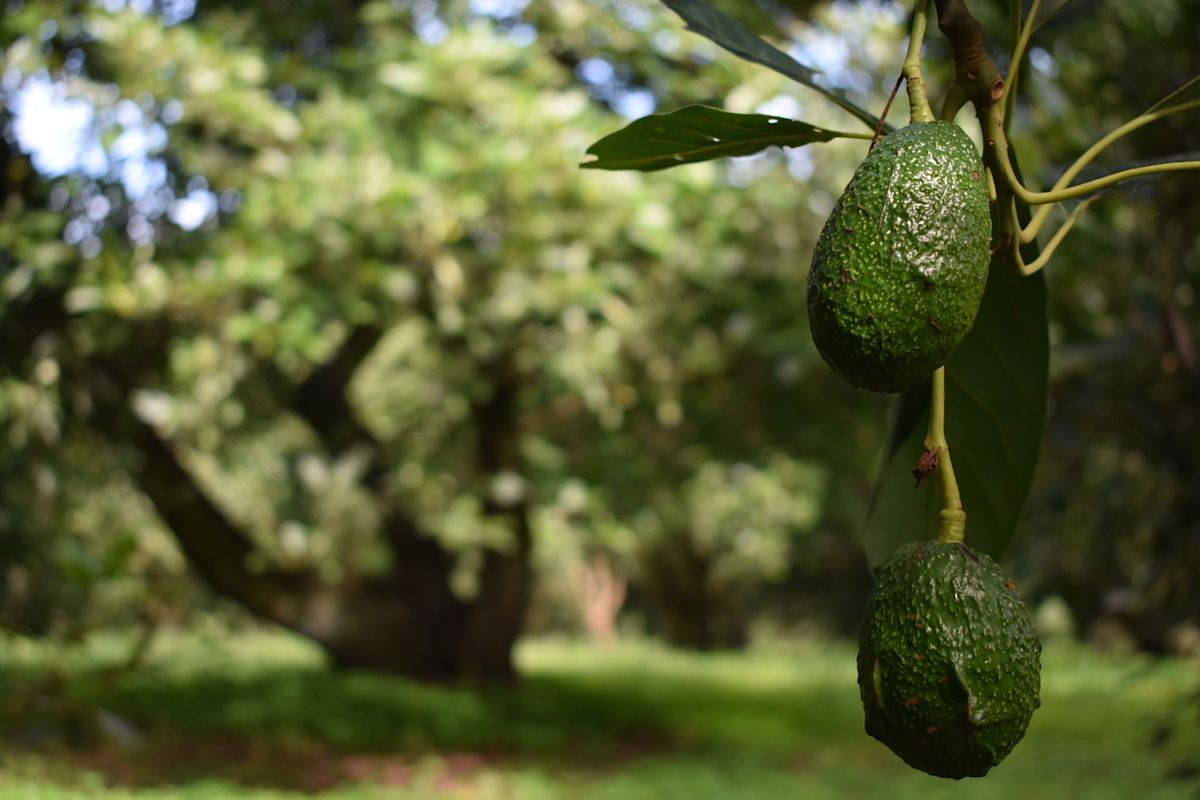
A major economic turning point arrived with the North American Free Trade Agreement, which led to the end of a long-standing United States prohibition on Mexican avocado imports in 1997. Over the following three decades, soaring consumer appetite in international markets transformed Michoacán into the epicenter of planetary avocado cultivation. For countless smallholders like Pancho, the agricultural gold rush offered an unprecedented pathway from poverty into the middle class.
The financial rewards quickly reshaped daily life for the García family, allowing Pancho and Terésa to construct a modern house, purchase new vehicles, and take family vacations to coastal resorts. Their earnings also funded quality clothing and private schooling for their three children, Ana, Óscar, and José, mirroring the upward mobility experienced by many other local growers who invested their savings into orchards.
However, the rapid expansion of cultivation carried severe ecological repercussions across the region. As hundreds of thousands of acres of native woodland were replaced by commercial tree farms, widespread deforestation altered the local climate, generating higher average temperatures and reducing seasonal rainfall.
The immense cash flow generated by the fruit also attracted organized crime syndicates seeking to diversify their revenue streams beyond traditional drug trafficking. Beginning around the mid-2000s, criminal networks previously focused on the distribution of cocaine, heroin, and methamphetamine began seizing control of profitable orchards, aggressively logging public lands for new groves, and demanding steep protection payments from independent farmers.
In San Ángel, heavily armed gang members began operating openly, cruising through residential streets in expensive pickup trucks, smoking marijuana, and playing loud banda music. Óscar grew up amidst this pervasive atmosphere of intimidation, having to duck for cover during armed confrontations near his school and near a neighborhood religious shrine honoring the Virgin Mary that his grandfather had helped construct.
As kidnappings for ransom grew common, farmers across the district frequently disappeared until their desperate relatives could satisfy cartel extortion demands. Despite the escalating peril, Pancho refused to carry firearms or fortify his habits, preferring to spend his evenings peacefully watching television at home. He regularly escorted Óscar to their remote mountainside plot, patiently teaching the boy how to apply fertilizers and detect destructive tree fungi.
Faced with relentless extortion and security failures, the residents of San Ángel Zurumucapio ultimately mobilized to take control of their own defense. Drawing on their indigenous heritage, the community established a self-governance model, creating citizen-led militias, fortified checkpoints, and armed patrols to guard the entrances to the town.
Yet even with vigilante checkpoints and self-defense forces guarding the roadways, the shadow of lawlessness remains pervasive throughout Michoacán. With his father missing after an apparent kidnapping, Óscar is now left to shoulder the management of the family orchards, navigating the very trade that lifted his family out of poverty while exacting an unbearable personal toll.






(0)