
Gardeners seeking to bring an enchanting, storybook aesthetic to their outdoor living spaces are increasingly turning to bell-shaped and tubular blossoms. These distinctive drooping blooms create visual softness and architectural charm across landscape beds, along stone walkways, and inside patio containers. Offering a spectrum that ranges from subtle pastel hues to vibrant color displays, these floral varieties integrate seamlessly into diverse home garden designs.
A major advantage of bell-shaped varieties lies in their sheer horticultural diversity. The category encompasses everything from towering vertical spires that fill background corners to low-growing ground covers designed for crisp borders. Because different species bloom across distinct seasons—spanning from late winter snow thaws through the heat of midsummer—landscapers can maintain continuous visual interest and peaceful outdoor atmospheres year-round.
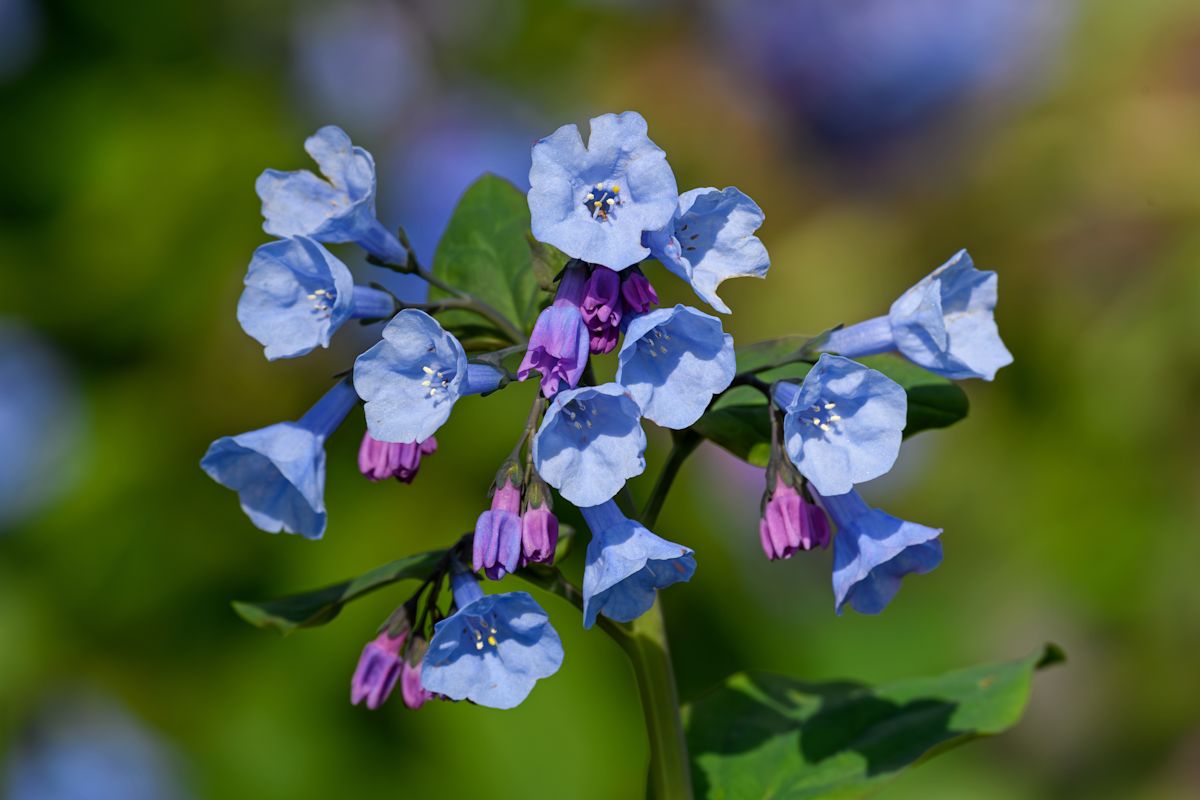
Among early spring standouts, the Virginia bluebell remains a prominent North American native favorite. Originating in the Eastern United States, this perennial develops rounded, gray-green foliage and produces tubular flower clusters on stalks rising up to 24 inches high. As the season progresses, the buds perform a noticeable color transformation from pink to pure sky blue before the entire plant goes dormant, naturally colonizing woodland beds into broad drifts of seasonal color.
Shaded garden corners also benefit from native woodland gems such as bellwort. Blooming during the spring months across USDA Hardiness Zones 4 through 9, bellwort features graceful, nodding blossoms composed of elongated yellow petals. Its ability to prosper in low-light environments makes it a reliable choice for brightening dimmer woodland understories where many traditional border perennials struggle.
For gardeners contending with backyard wildlife pressures, fritillaries provide both visual intrigue and functional defense. These bell-shaped blooms, recognized for their unique checkered patterns, flourish in cool, well-draining soil under partial canopy shade. In addition to serving as woodland showpieces, fritillaries naturally deter squirrels and destructive rodents. While gardeners frequently plant varieties like *Fritillaria imperialis* as annuals, the bulbs can reliably return as perennials when provided with optimal growing conditions.
Vertical structure is another key design element provided by tubular and bell-form species, with foxglove standing out as a premier shade specimen. Thriving in Zones 4 through 10, foxglove produces tall flower spikes packed with nodding bells from late spring into early summer. These stately spires draw the eye upward, making them ideal architectural focal points for shaded borders and traditional cottage plantings.
Foliage-focused landscapes often rely on coral bells (*Heuchera spp.*) to supply multi-season appeal in shaded woodland settings. These low-growing perennials form dense mounds of richly colored leaves topped with airy, delicate spikes of tiny bell blossoms. Aside from their remarkable resistance to plant diseases, coral bells produce flowers that serve as valuable food stations for visiting pollinator insects throughout their bloom window.
Winter and early spring transitions are bridged by hardy selections such as snowdrops and lungwort (*Pulmonaria*). Snowdrops emerge during late winter, sending up delicate white blossoms that perform well in partial shade and tolerate uncompacted clay soil that drains properly. As spring begins, lungwort complements these early bulbs with shade-loving blossoms and distinctive, textured, hairy leaves that naturally deter browsing deer.
Gardeners working with rocky terrain, exposed slopes, or ledge plantings find strong candidates in golden columbine (*Aquilegia chrysantha*) and beardtongue (*Penstemon*). Columbines feature clover-shaped dark leaves and five-spurred, eye-catching bell flowers that resist deer while attracting beneficial wildlife. Meanwhile, beardtongue handles harsh conditions in Zones 3 through 9, reaching heights of up to four feet in poor, rocky soils under full sunlight while displaying long-lasting blooms with unique pollen-free stamens.
Sunny borders also offer ideal habitats for classic bellflowers and traditional hyacinths. True bellflowers yield nectar-rich, bell-shaped blooms in shades of blue, purple, and white that draw heavy pollinator traffic all season long. Hyacinths provide rich spring fragrance alongside vivid clusters of pink, white, or blue blossoms, adapting easily whether forced indoors in pots or established outdoors in well-draining soil.
Long-term landscape investments often feature dependable naturalizers like daffodils (*Narcissus*). Spanning USDA Zones 3 through 8, daffodils showcase trumpet-shaped blossoms characterized by a prominent central cup framed by exterior petals. Requiring little routine maintenance, daffodil bulbs gradually multiply and spread across full or partial sun beds, establishing larger floral colonies with every passing spring.
For substantial garden scale, woody shrubs and vigorous climbers round out the bell and trumpet categories. The fast-growing weigela shrub reaches mature heights of up to six feet, producing prolific red and pink blooms in full sun and heavy clay soils. On vertical structures, morning glory vines provide dynamic daily movement, unfurling large trumpet-shaped blue flowers every morning that close by afternoon, performing as dependable annuals or warm-climate perennials.
By strategically combining these varied species, home growers can assemble low-maintenance ecosystems that balance aesthetic appeal with practical hardiness. From the moisture-retentive shade beds favored by native ephemerals to the dry, sun-drenched banks where drought-tolerant perennials thrive, bell-shaped blossoms offer tailored solutions for virtually every landscape microclimate.
Ultimately, integrating bell-shaped flowers allows gardeners to foster biodiversity while safeguarding beds against common landscape pests. With their rich nectar reserves, specialized wildlife defenses, and versatile silhouettes, these fourteen plant selections provide an enduring blueprint for building vibrant, multi-layered garden spaces across every season.









(0)